The $2,000 Acrylic Mistake: Why I Switched Our Entire School Order to Liquitex
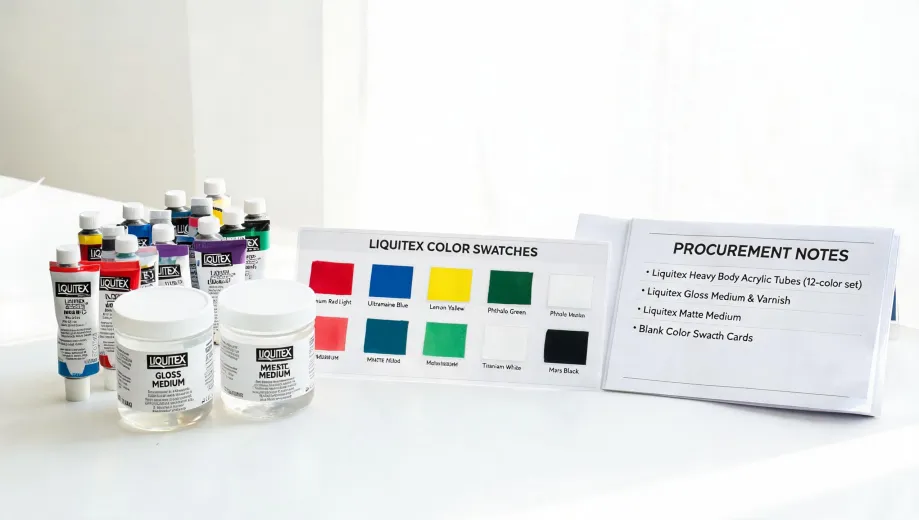
It was September 2022, and I was staring at a $2,000 problem. Forty-eight canvases, covered in a muddy, cracked mess of what was supposed to be vibrant student artwork. The paint was separating. The colors looked like mud. The whole thing was a write-off. And it was entirely my fault.
I’d been handling supply procurement for the district’s art program for about four years. I thought I knew the drill. The budget was tight for the new semester, and I was proud of myself for finding a “deal.” I saved about $150 by switching from our usual supplier to a budget brand of acrylics. My principal was happy. My spreadsheet looked great. For about two weeks.
Then the paintings came back from the drying racks. Total disaster.
The 'Good Deal' That Wasn't
Here's what I didn't know then, and what I want to share with you so you don't make the same mistake. I’m talking about paint, but the lesson applies to any bulk supply order, especially for Liquitex or any professional-grade material.
Everything I’d read about art supply procurement said to focus on the per-unit cost. Conventional wisdom is ‘get the lowest price.’ In practice, for our specific use case—high school students layering heavy coats and mixing wet paint—the budget option was a liability.
I didn't have a formal approval process for 'value engineering' substitutes. We just ordered it. It cost us when the cheap paint failed basic adhesion tests. The pigment load was so low that one coat of 'Crimson Red' looked like watered-down pink. The students got frustrated. The teachers complained. The deadline for the annual art show was breathing down our necks.
We didn't have a formal replacement process either. The third time a student complained about the paint cracking, I finally created a pre-qualification checklist for paint suppliers. Should have done it after the first complaint.
Why Liquitex Changed My Mind (and My Budget)
After the September 2022 disaster, I went back to basics. I called up a few suppliers and asked for sample packs. I tested five different brands, including Liquitex. I wasn't looking for the cheapest price anymore. I was looking for consistent performance.
I tested them on student-grade canvas. I mixed them. I thinned them with water. I layered them thick. Liquitex won every single test.
But let’s talk about the cost. The $150 I saved on the budget brand ended up costing me $2,000 in wasted materials, re-supply, and—most importantly—teacher overtime. That's not even counting the frustration.
“The $500 quote turned into $800 after shipping, setup, and revision fees. The $650 all-inclusive quote was actually cheaper.” – My new procurement motto.
Here’s the breakdown of the Total Cost of Ownership (TCO) for the paint:
- Unit Price: Budget brand was $3.00/tube. Liquitex Basics was $4.50/tube.
- Coverage: I needed 3 coats of budget to match 1 coat of Liquitex. So to cover 48 canvases, I used 72 tubes of budget vs. 24 tubes of Liquitex. Cost per project: Budget = ~$216. Liquitex = ~$108.
- Waste: The budget paint had a high failure rate (cracking, poor adhesion). We trashed 15% of the projects. That’s about $32 of wasted paint per project. Zero waste with Liquitex.
- Time: Teachers had to spend 3 extra hours mixing and correcting the cheap paint. Their hourly rate made that the most expensive part.
Bottom line: The 'cheap' paint was more expensive on every level except the sticker price. I now calculate TCO before comparing any vendor quotes. Simple.
The 'Aha' Moment: Liquitex Freestyle Brush
The real shift in my thinking came when I ordered a set of Liquitex Freestyle Brushes for a test class. I’d been told the bristles were excellent, but I was skeptical. How different could a brush be?
Different enough to save another $400.
We’d been using cheap synthetic brushes that shed bristles into the paint. Every project had a few hairs stuck in the finish. I’d budget for this waste. The Freestyle Brushes? Zero shedding. They held more paint, distributed it more evenly, and washed clean in half the time.
“The conventional wisdom is to always buy the cheapest disposable brushes. My experience with Liquitex Freestyle suggests that quality tools actually lower your long-term costs, especially for labor and rework.”
That’s when I learned that consistency is the real currency of procurement. Not the initial price tag.
Liquitex Acrylic Clear Gesso: The Unsung Hero
One more lesson from the mud pit of 2022: prepping the surface matters. The budget paint failure was partly because the students didn’t gesso their canvases properly. They used a cheap, watery gesso that soaked right in.
I added Liquitex Acrylic Clear Gesso to our standard order. It’s not flashy, but it works. It provides a uniform, slightly absorbent surface that grabs the paint. It’s the foundation of a good painting.
I’d tell you the exact number of headaches this single product eliminated, but I stopped counting after 20. Let’s just say it’s a no-brainer for any serious art program.
Standard print resolution requirements apply to our color swatches too: 300 DPI at final size for any marketing materials we produce. Reference: Pantone Color Matching System guidelines.
Trust Me on This One
If you’ve ever approved a purchase order based only on the price column, you know the sinking feeling when something goes wrong. I’ve been there. I lost $2,000 of taxpayer money learning this lesson.
Here’s what you need to know: the cheapest quote is rarely the lowest cost.
Now, I’m the person who maintains our team’s procurement checklist for the art department. We've caught 47 potential errors in the last 18 months using this framework. The checklist includes verifying Pigment Index Numbers (P.I.N.), checking for cadmium-free labels (a huge deal for safety), and confirming the lightfastness rating (ASTM D4303).
For Liquitex, they clearly state their pigment load and lightfastness on the tube. That transparency saves me hours of research. For the budget brand? I had to call customer service three times and never got a straight answer. Red flag.
As of January 2025, my school district’s art budget is more efficient than ever. We buy less paint, but the quality is higher. The students produce better work. The teachers are happier. And I sleep better at night knowing I’m not going to get a panicked call about a cracking painting.
Is the premium option always worth it? Sometimes. Depends on context. For a one-off project with a flexible deadline, maybe the budget option works. But for consistent, reliable, professional-grade results in an educational setting? Liquitex, every time.
In my first year (2017) I made the classic rookie mistake of pure price comparison. In 2022, I learned the true cost of that mistake. Now, I just order the right stuff the first time. Done.
Price data as of January 2025. Verify current pricing at your local distributor as rates may have changed.
Elena Baptista
Elena Baptista is an office printing and imaging analyst covering laser and inkjet printers, multifunction devices, copiers, label and receipt printers, ink cartridges, toner cartridges, and drum units. She applies ISO/IEC 24734, ISO/IEC 24711, and ISO/IEC 19798 methods while comparing print speed, first-page time, duplex throughput, duty cycle, page yield, coverage assumptions, resolution, color consistency, energy use, and maintenance intervals. Her guides help offices, schools, dealers, and procurement teams match output volume, media handling, connectivity, consumable economics, service access, and fleet-management requirements.